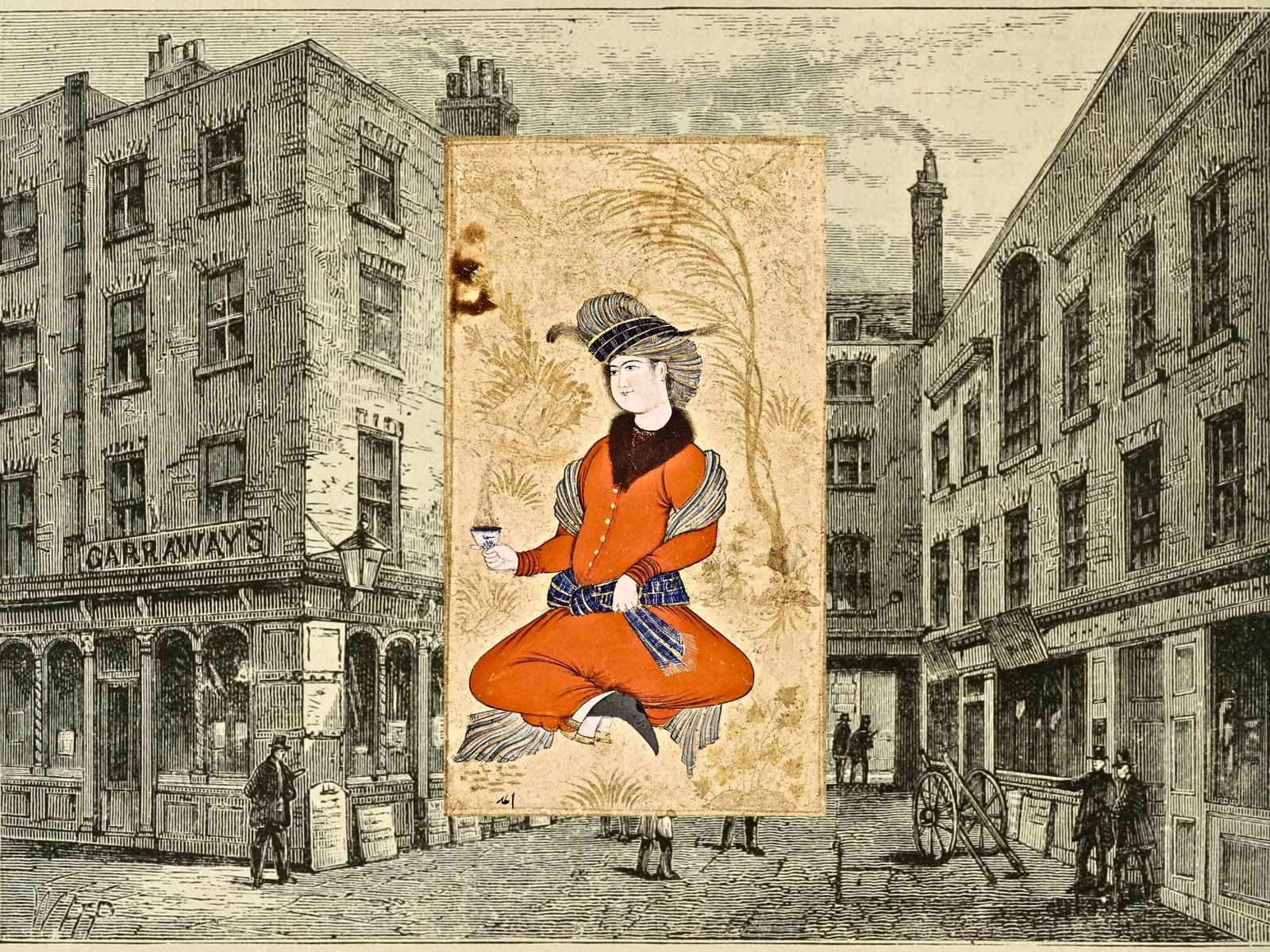
Before the Coffee Gets Cold: An urban legend with a touch of rom-com level heartstring-pulling, told in a few episodes.
In Before the Coffee Gets Cold by Toshikazu Kawaguchi, we are taken to a small café in Tokyo called Funiculi Funicula. It had once attained a small degree of viral fame because of one of its special offers: an opportunity to travel back in time. But it’s hard to find anyone who has actually done it — apparently, there’s a series of confusing rules that apply, enough to make anyone say it’s not worth it.
In this café, there’s a customer who never leaves: a woman in white, reading a book, drinking one cup of coffee after another. She’s a ghost, and when she leaves her chair to go to the toilet, a customer can take her place, order a cup of coffee, and travel to the past. They must finish their coffee before it gets cold, or they’ll become the ghost in the chair.
The book follows four little tales from the comfort of the dim, aromatic café. A pretty girlfriend wonders why she’s been left behind. A hyper-independent woman regrets the way she treated a sweet little sister. A middle-aged nurse wants to talk to a husband who, in the present, is forgetting her. A mother and daughter, who never had the chance to meet, take their chance with the ghost’s chair.
“At the end of the day, whether one returns to the past or travels to the future, the present does not change.”
For some readers, the setting could be annoyingly cryptic. We don’t know the story of the ghost in the chair. Why does she need to go to the toilet? Is she still there when the café is closed? How much does the café staff know about this magical phenomenon?
The one rule that puts people off is that There is nothing you do while in the past that will change the present. Which begs the question, what is the point?
“Kazu still goes on believing that, no matter what difficulties people face, they will always have the strength to overcome them. … And if the chair can change someone’s heart, it clearly has its purpose.”
Before the Coffee Gets Cold has its weaknesses. It definitely isn’t a technical, well-knit wonder. Some readers call it overly sentimental, and I kind of agree. But overly sentimental can be enjoyable.
The book succeeds in creating the liminal, timeless atmosphere of a basement coffee shop. The sights and sounds of the busy city are muted. This is Tokyo, but you might as well be on the moon. The baristas talk to you if you talk to them, but otherwise, it’s a great place to be alone. If you’re looking for some comfy, lightweight fiction to read on a rainy weekend, then I recommend this book.
As an aside, I’m no literary critic, and I don’t want to be one. I enjoy many books that I later find out are not crowd favorites. And while I agree that some books suck, many critics totally miss the point simply by setting expectations that the author never meant to meet. A book is really only bad when it pretends to be anything else. They call Jane Austen shallow because her novels completely ignore her era’s sociopolitical milieu. But why wouldn’t they? She wrote chick flicks, clever ones at that. You don’t watch Mean Girls and say it’s nothing like Schindler’s List.
Anyway, Before the Coffee Gets Cold isn’t one of the best books in the world, but I’d read it; I’d re-read it; I’d gift it.
In Funiculi Funicula, where you can’t tell the time of day, where Ethiopia-sourced beans are slowly brewed, where it always feels safe… I’m reminded that life-altering realizations can take place privately — between me, myself, and the ghost in the corner — even if nothing else around me changes. All in the time it takes for a cup of coffee to cold.
Perhaps not ironically, my own coffee (a citrusy, berryish Kenya brew) did go cold while I wrote this, back in 2021. I’m editing this in 2026, and since then, I’ve bought a paperback of this book and given it away. I still have good coffee every morning, and try to make sure to face my inner ghosts every once in a while.