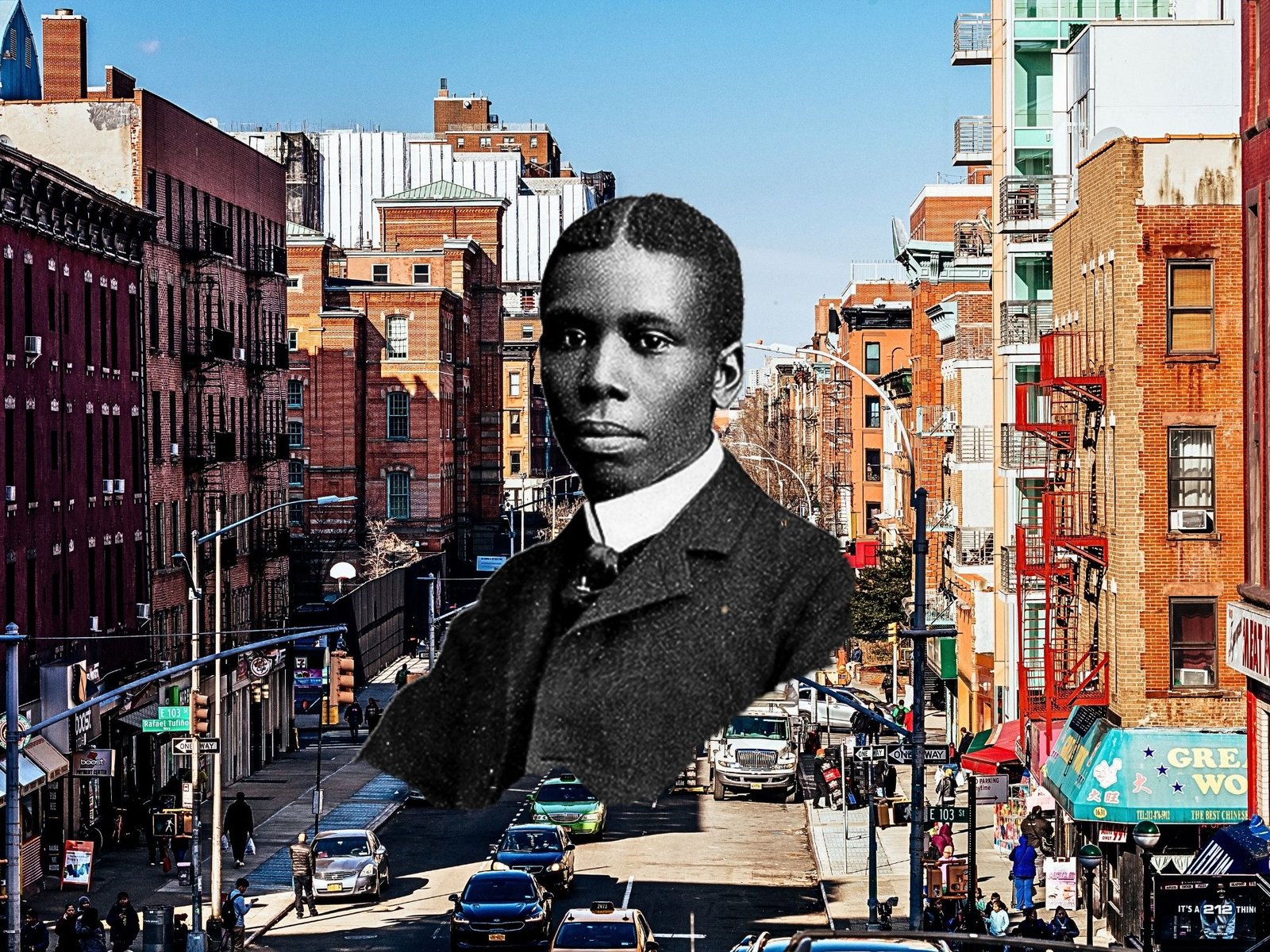
I forgot which random corner of the internet I first saw My Little March Girl, but it was an immediate favorite. Obviously, because I was born in March.
The carefree airiness of Dunbar’s poem is more aspirational than relatable to me. I don’t think I quite have the “joy of my life streaming out of my face.” As for “calm, placid and sweet,” quite the contrary. Unfortunately, I possess the stereotypical Piscean traits of indecision and melancholia.
Even so, the poem resonates. Wind-blown, weather-defying, wrapped in the wind’s stormy embrace — sounds about right. When we’re not wallowing in existential dread, don’t we laugh in the face of danger? Indeed, girls just want to have fun.
Here’s a complete copy of this poem, which is in the public domain.
My Little March Girl
Come to the pane, draw the curtain apart,
There she is passing, the girl of my heart;
See where she walks like a queen in the street,
Weather-defying, calm, placid and sweet.
Tripping along with impetuous grace,
Joy of her life beaming out of her face,
Tresses all truant-like, curl upon curl,
Wind-blown and rosy, my little March girl.
Hint of the violet’s delicate bloom,
Hint of the rose’s pervading perfume!
How can the wind help from kissing her face, —
Wrapping her round in his stormy embrace?
But still serenely she laughs at his rout,
She is the victor who wins in the bout.
So may life’s passions about her soul swirl,
Leaving it placid, —my little March girl.
What self-possession looks out of her eyes!
What are the wild winds, and what are the skies,
Frowning and glooming when, brimming with life,
Cometh the little maid ripe for the strife?
Ah! Wind, and bah! Wind, what might have you now?
What can you do with that innocent brow?
Blow, Wind, and grow, Wind, and eddy and swirl,
But bring to me, Wind, —my little March girl.
About the author
Paul Laurence Dunbar, poet, novelist, songster, and playwright, was born in Dayton, Ohio in 1872, the son of emancipated black slaves. Though he was the only African-American in his high school, he was a stellar student: editor of the school paper and part of the debate club.
When he was eighteen, he wrote and edited a weekly digest called The Tattler. It was a short-lived project, just six weeks in the running, but it was Dayton’s first African-American weekly. And guess who did the printing? Just a couple of young men called Orville and Wilbur Wright, who were Dunbar’s high school friends. Just the inventors of the airplane, that’s all.
Dunbar died young, at 33, of tuberculosis, but not before leaving a lasting legacy to American literature. He wrote many poems in formal, standard English, but he also wrote many things in dialect, which he once called his “natural speech.” Here’s a portion of a poem written “in dialect,” which is to say, the slang of his African-American community:
“Sunshine on de medders,
Greenness on de way;
Dat’s de blessed reason
I sing all de day.”
Look hyeah! What you axing’?
What meks me so merry?
‘Spect to see me sighin’
W’en hit’s wa’m in Febawary?
P.L. Dunbar is considered influential to the New York-centered Harlem Renaissance. The title of Maya Angelou’s autobiography, I Know Why the Caged Bird Sings, is based on a line of one of his poems.



Leave a Reply